Log in to manage your profile, wishes and saved homes.
A calm explanation of the off-plan mechanism, the four regions we work in, and the legal structure that protects your investment. Written for buyers who want to understand the story before they decide.
Drag the sliders until they match your personal situation and see your expected return right away.
Assumptions: 5% annual appreciation after completion, 25% management, IBI + service ±€3,500/year, 19% IRNR on net rent. Selling costs ±5% at exit. We plan a conversation for your specific situation.
Schedule an investment consultation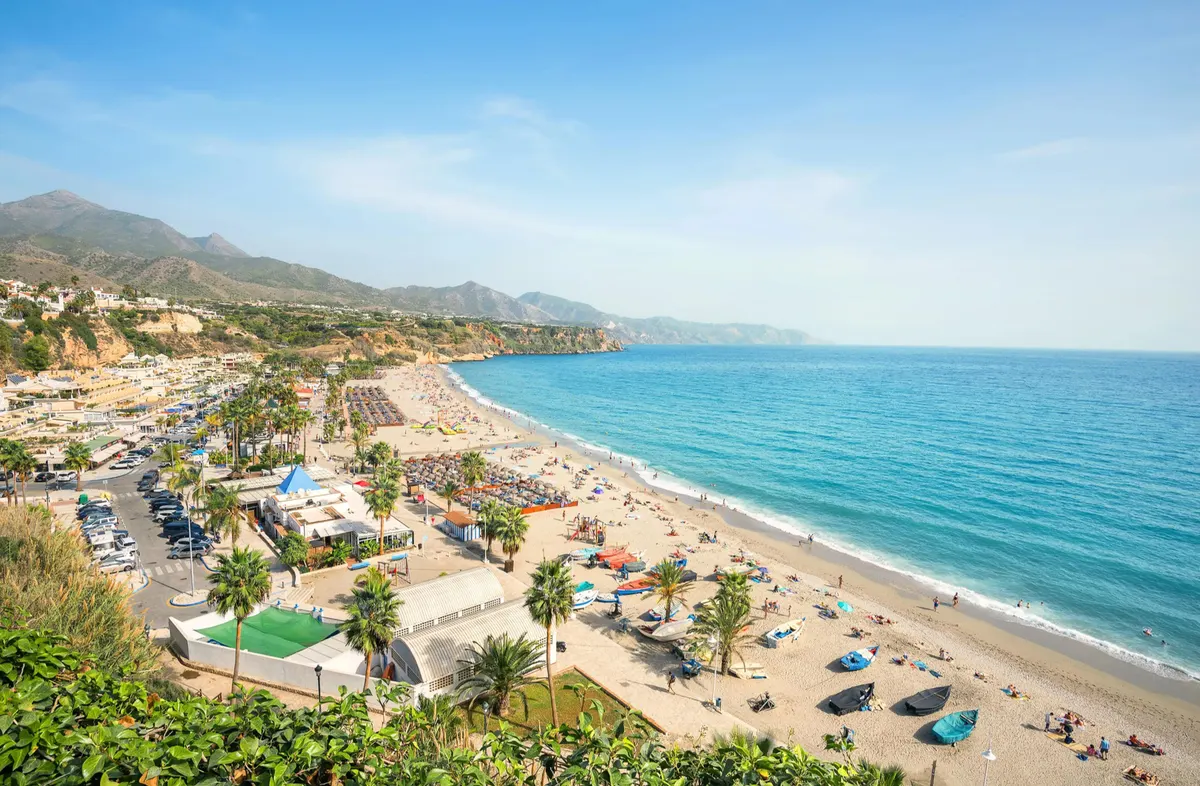
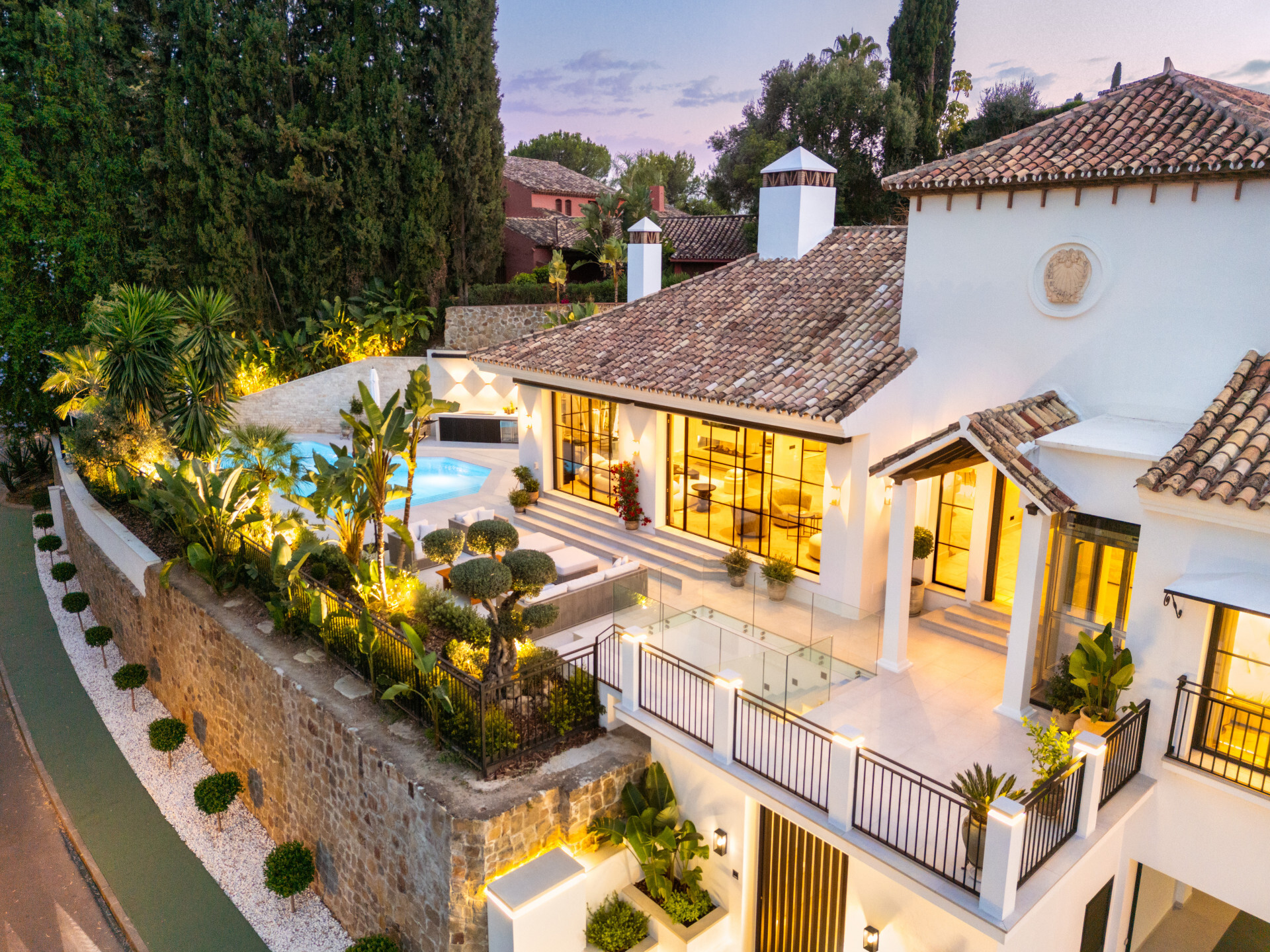
The international top tier of the Spanish coast. Marbella, Estepona and Benahavís draw buyers from across Europe, led by the Dutch, British and Scandinavians. The highest entry point of the four regions, but also the most liquid market: luxury sells here all year round.
Villas and penthouses on the cliffs between Dénia, Jávea and Moraira — Jávea is not called "the Monaco of Spain" for nothing. Strict building policy keeps supply scarce, and that scarcity keeps driving prices firmly upward.
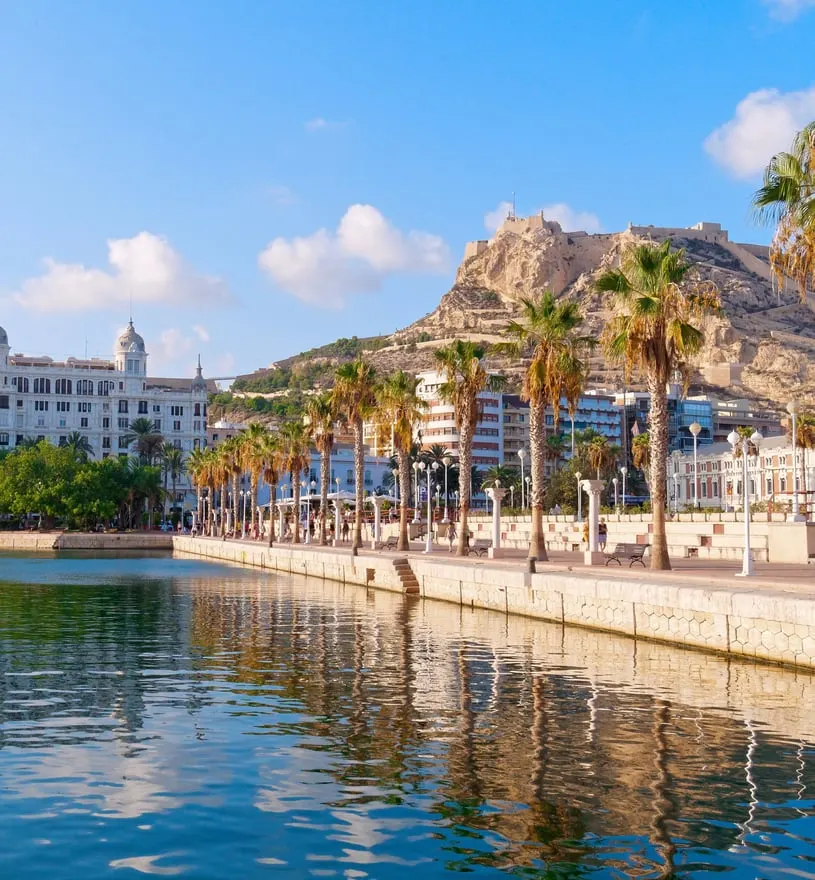
The best price-to-return balance on the coast. Torrevieja, Orihuela Costa and Guardamar combine a low entry point with strong rental demand — in summer occupancy is often above 85%. The accessible starting point for a first investment.
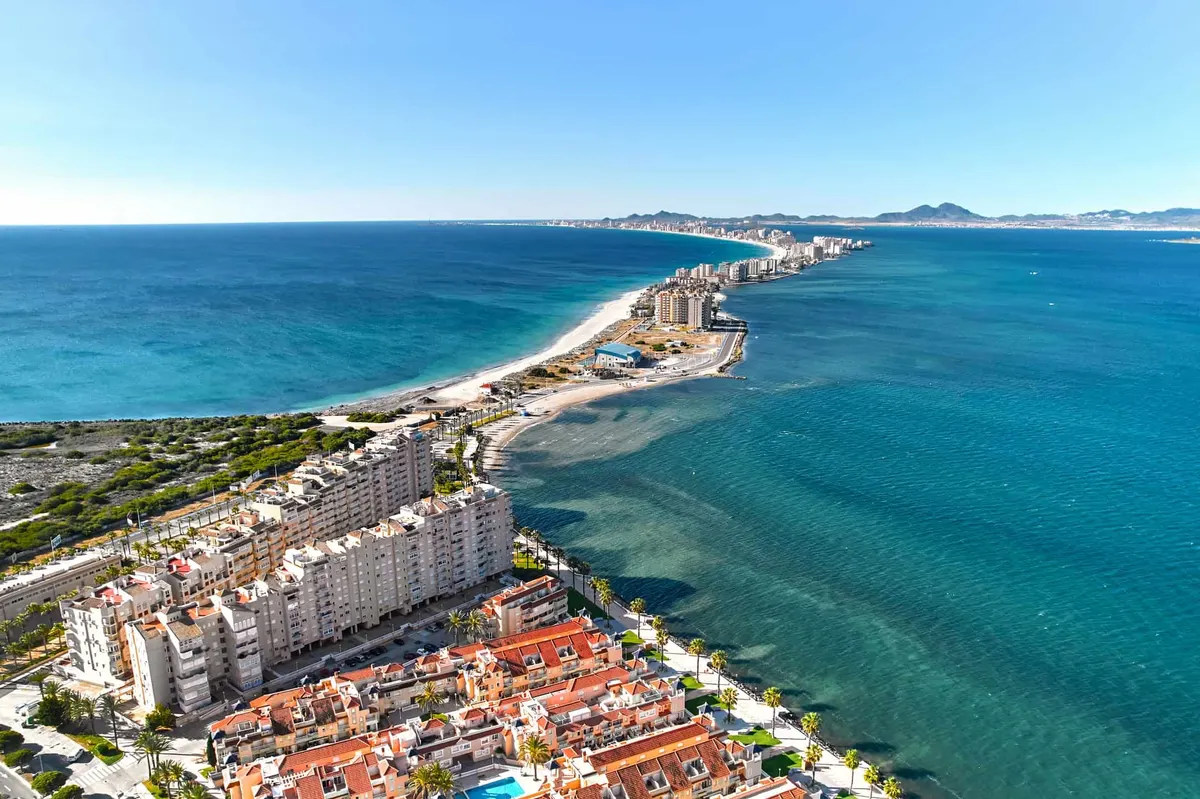
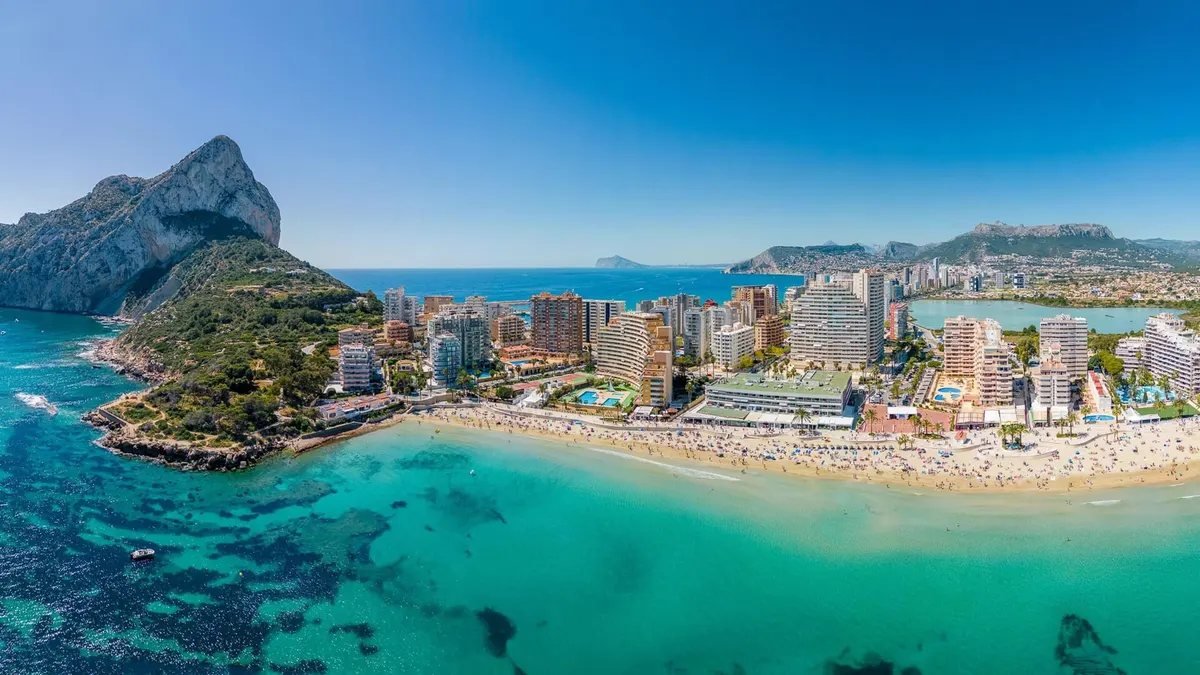
The fastest-growing property market in Spain. Around the Mar Menor, prices rose by double digits in 2025 — faster than in Madrid or Barcelona. The lowest entry point of the four regions and a clear catch-up, for those who want to step into an emerging region early.
On the Spanish coast, developers sell their projects in phases. Whoever buys during the launch phase pays the price list of that phase. Between launch and completion the price list usually moves up: 5% in the foundation phase, 10% at structural works, 15–20% at pre-completion. That difference is the room between your purchase price and the market value at handover.
Property is not a guaranteed return. Off-plan uplift is historically visible in Spanish new-build, but it depends on the project, region, market cycle and exit timing. Rental income depends on permits, occupancy and regulations that vary by region.
That is why you are best off reviewing this together with an experienced advisor who knows the right projects, phasing and regions for your situation and puts the risks on the table in advance.
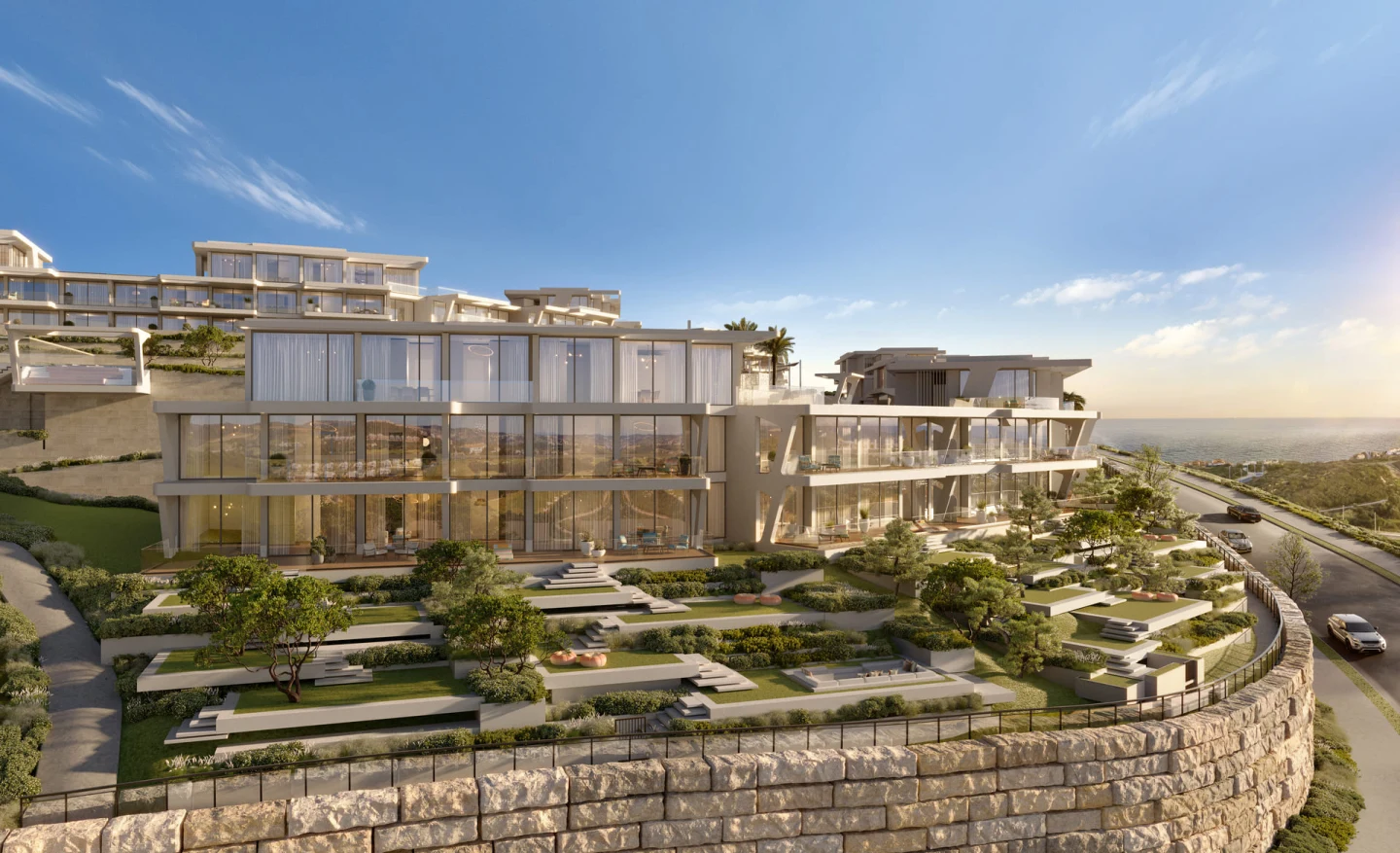
The developer presents the project with renders, floor plans and a first price list. You secure a home with a reservation contract and a €6,000–€10,000 deposit; meanwhile your lawyer thoroughly checks the permits, the land and the bank guarantee. This is the lowest entry price of the entire cycle.
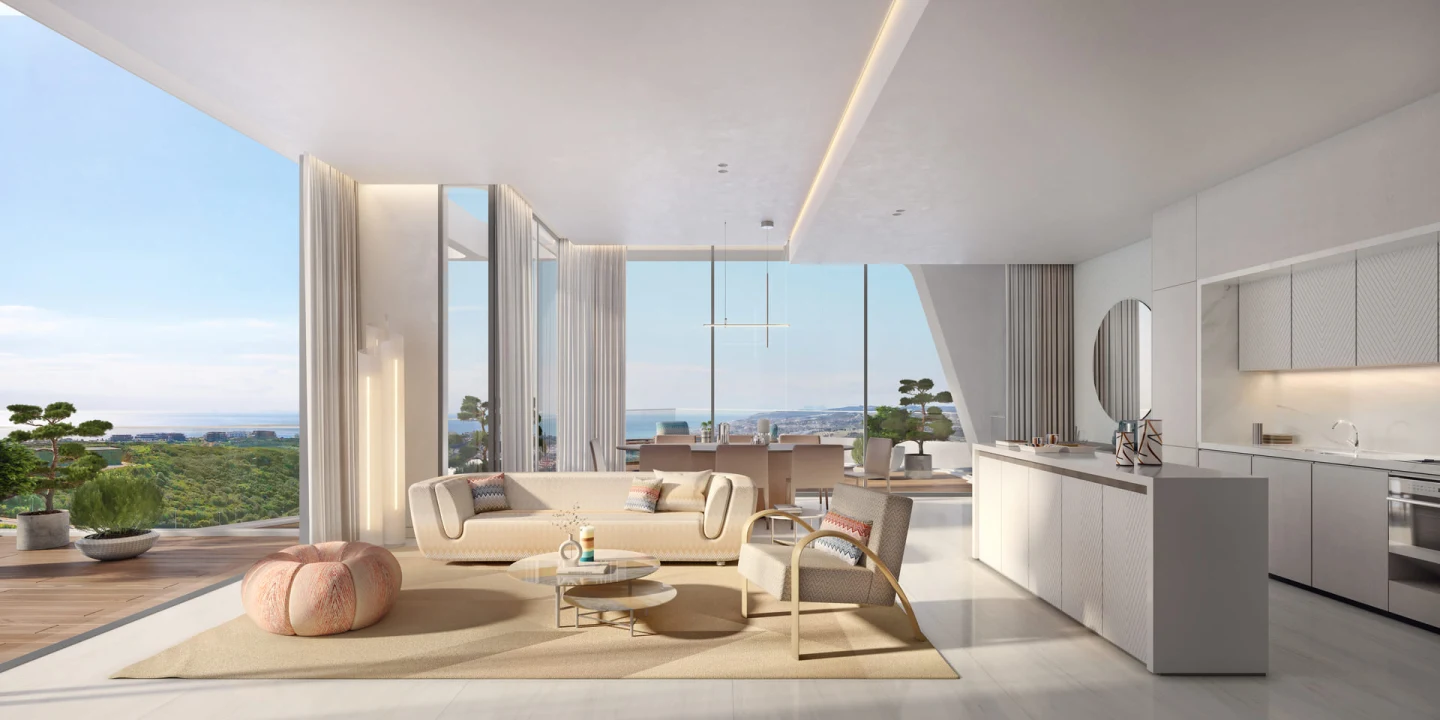
The building permit (licencia de obra) is in and groundwork begins. You sign the purchase contract and pay the first instalment of 20–30% (plus 10% VAT), held under a mandatory bank guarantee that protects every euro should the developer fail. The price list is now ±5% above the launch.
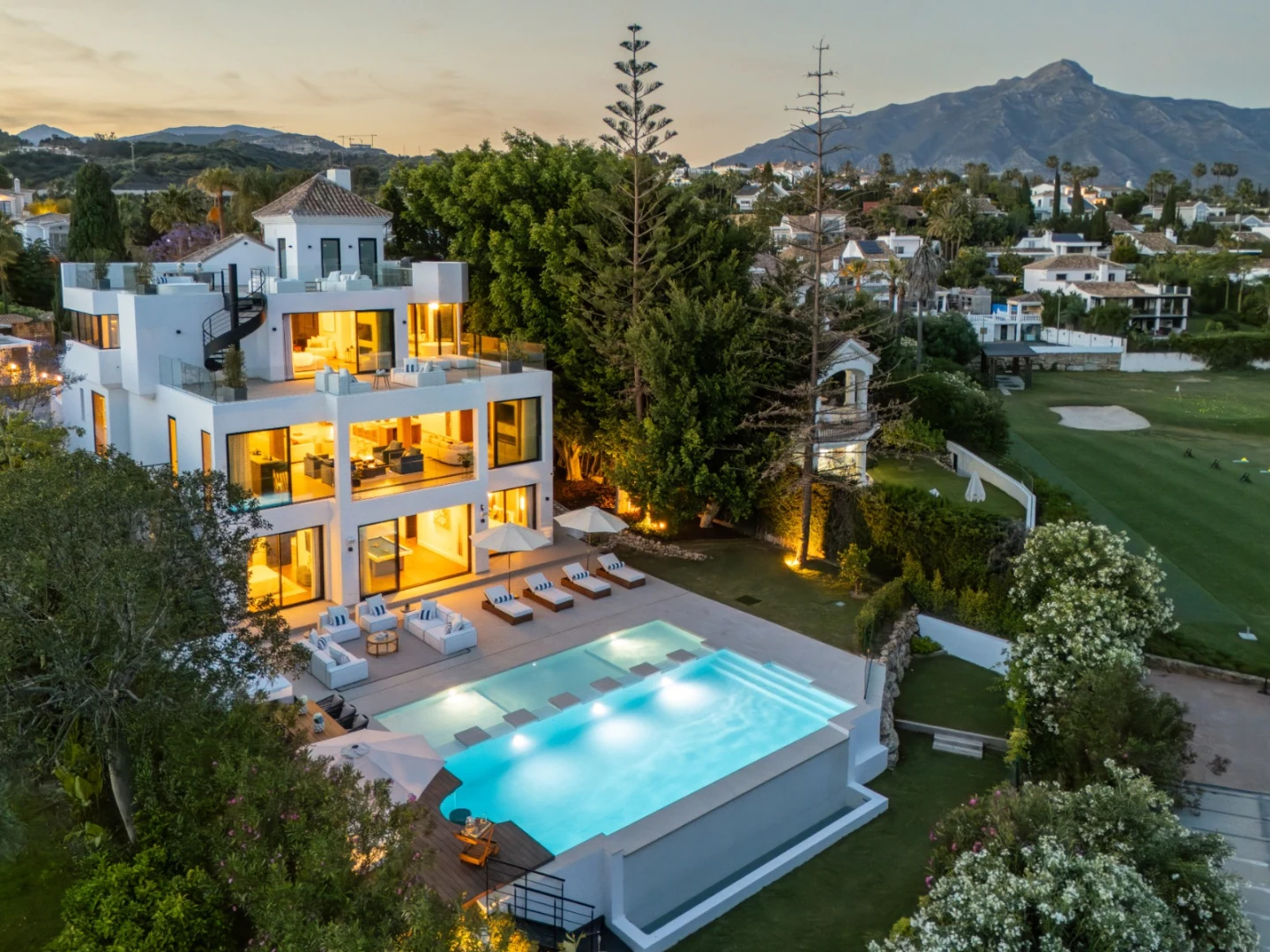
The structure rises: floors, walls and roof. Instalments (often in steps of 10%) fall due each time the architect signs off a construction milestone, and stay covered by the bank guarantee. With fewer and fewer homes available, the price list now sits ±10% above the launch.
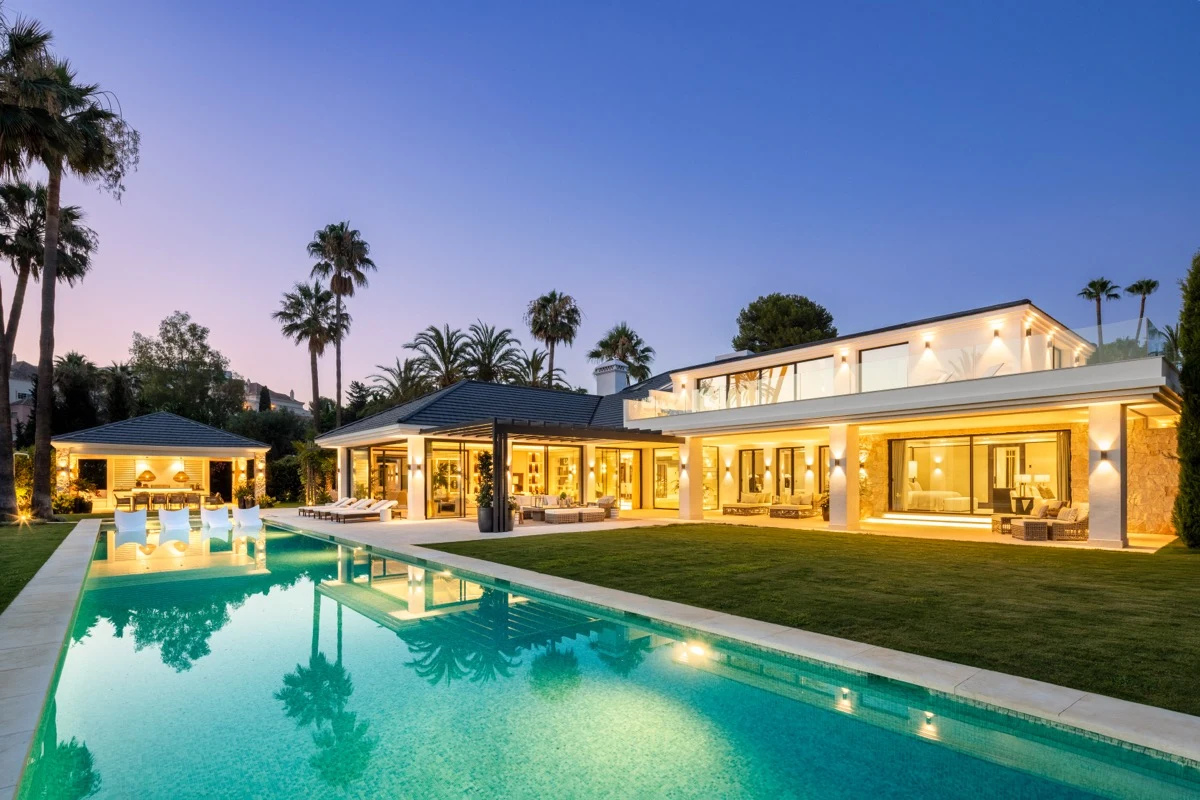
Finishing of kitchens, bathrooms and installations; the developer applies for the occupancy permit (Licencia de Primera Ocupación). Only the last, most expensive homes remain — the price list is ±15–20% above the launch. The gap between your purchase price and the market value now becomes visible.
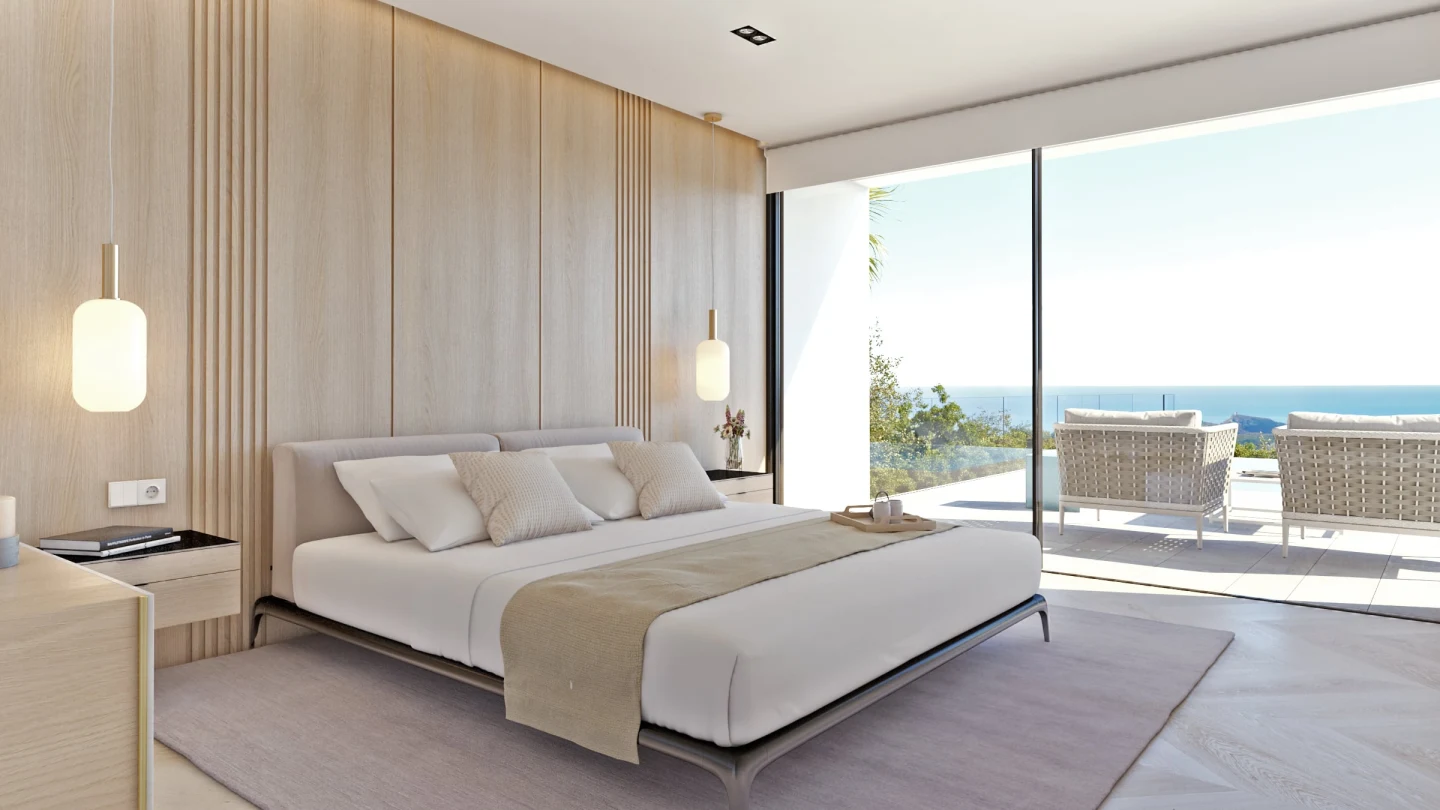
At the notary you sign the title deed (escritura), pay the remainder (±60–70%) plus taxes, and register at the Land Registry. The ten-year construction warranty (seguro decenal) begins. Keys in hand — ready to live in, to rent out or to sell at market value.
We actively manage these risks — that is the difference.
A three-month overrun is legally allowed. We select developers with a track record and, where possible, require additional penalty clauses.
A bank guarantee is mandatory on every payment. All funds run through your lawyer's client account. Legal due diligence per project.
The Comunidad Valenciana tightened the rules in 2025. We know the rules per region and plan completion ahead of announced changes.
Prices can also fall. We work with a horizon of at least five years. The exit strategy is on paper from day one.
For new-build: 10% VAT (IVA), AJD stamp duty of 1–1.5%, plus notary, registry and legal support between 1.5% and 2.5%. Budget 13–15% in total on top of the purchase price. We put this on a single page for you before you sign.
Yes, provided the project has a bank guarantee. That guarantee is legally required for new-build in Spain and we always insist on it being visible in the contract. All payments also run through your Spanish lawyer's client account.
In Spain. On rental income you pay IRNR (19% for EU residents on net rent, 24% for non-EU on gross). Capital gains tax on sale is 19–26%. The Netherlands has a treaty with Spain, so double taxation is avoided through offsetting.
From first conversation to reservation usually 2–6 weeks. From purchase contract to completion depends on the building phase: at launch, expect 18–24 months; at structural works, 6–12 months. We set this out concretely per project in advance.
Yes. Non-residents can finance up to 70% with Spanish banks. We work with two brokers who request quotes for our buyers, so you see a comparison before you sign. We do not do this ourselves, because we do not want a stake in which bank you choose.
Yes. We facilitate the aftermarket sale for clients who bought through us. No obligation, no extra contract. We want you to come back for the next one, not to be locked in with us.
Oro Estate
Choose who you would like to speak with — you book straight into the live calendar.


Buy your home in Spain through Oro Estate and we cover these costs entirely:
To claim your package: where are you in your search?
To claim your package: where are you in your search?
Leave your details and we'll reserve your free package worth €10,855.
Your free package worth €10,855 has been reserved. We'll contact you within 24 hours.